How long do desiccant packs last?
If they are sealed in their original, high-barrier packaging, standard desiccant packs generally last between 12 and 18 months.
But once you expose them to the open air? That lifespan plummets. Depending on the humidity in your factory, a packet can saturate anywhere from a few months down to just 15 minutes.
Moisture damage is a silent killer in supply chains. Just a few weeks of fluctuating temperatures during a sea transit, and your entire shipment could be ruined by mold or rust. It’s an incredibly frustrating way to lose thousands of dollars in rejected goods.
The truth is, desiccants don’t expire in the traditional sense; they saturate. Once a packet absorbs 20% to 40% of its weight in water, it completely stops protecting your product.
In this guide, we’ll cover exactly what you need to know to prevent that. You’ll learn:
- The precise active lifespan of different desiccants.
- The three most common assembly line mistakes that kill their effectiveness.
- Strict storage protocols to keep your inventory fresh.
Let’s dive in.
Quick Reference: Desiccant Lifespan by Material
Different sorbents behave differently based on their chemical structure. I’ve found that silica gel offers a great balanced approach, while molecular sieves are much more aggressive for highly sensitive products.
|
Desiccant Type |
Sealed Shelf Life |
Active Service Life |
Saturation Point |
Regeneration Profile |
|
Silica Gel |
1–1.5 Years |
3–12 Months |
~30-40% by weight |
Excellent (120°C for 2-3 hrs) |
|
Bentonite Clay |
1–1.5 Years |
4–8 Months |
~25% by weight |
Poor / Not Recommended |
|
Molecular Sieve |
2+ Years |
12–18 Months |
~18-22% by weight |
High Temp Required (200-300°C) |
|
Calcium Chloride |
1–1.5 Years |
2–6 Months |
200%+ by weight |
None (Liquefies) |
Shelf Life vs. Service Life: The Critical Distinction
To manage your warehouse inventory effectively, you need to know the difference between storage life and active protection time.
Sealed Shelf Life
When you store desiccants in high-barrier packaging, you effectively hit the “pause” button on their absorption process.
- They usually last 1 to 1.5 years in this state.
- Even the best high-barrier foil allows microscopic moisture to sneak in over time. A “new” bag sitting on your shelf for 18 months might have already lost 10% of its capacity.
- You should always check the humidity indicator cards inside the master bag.
If that card reads 30% or 40% RH, your desiccants are likely pre-saturated and won’t protect your goods.
Active Service Life
Once you open that packet and expose it to air, the clock immediately starts ticking.
- In a humid factory (above 60% RH), a standard silica gel packet can completely saturate in under 24 hours.
- If you place the packet directly into a tightly sealed product box, it could protect your goods for 12 to 18 months. This works beautifully because it only has to adsorb the tiny amount of trapped moisture.
A Deeper Look at Lifespan by Desiccant Type
Let’s break down exactly what you can expect from the most common materials on the market, and why they eventually fail.
Silica Gel
Silica gel is the industry standard because it creates a highly reliable moisture equilibrium. It works best at room temperatures (70°F–90°F) and moderate humidity.
- Why it lasts: It physically pulls moisture into its internal pore structure. This means it remains chemically stable and completely non-corrosive to your parts.
- Why it fails: If temperatures climb above 100°F, silica gel loses efficiency. If your shipping containers cross the equator, the gel might actually release moisture back into the air as the heat spikes.
Bentonite Clay
This is a naturally occurring mineral. We often recommend activated clay as a highly cost-effective alternative for industrial crating and basic shipping.
- Why it lasts: Clay performs wonderfully below 120°F and under 50% RH. In normal warehouse conditions, it matches silica gel’s lifespan perfectly.
- Why it fails: Once temperatures exceed 120°F, clay stops working. It will also release trapped moisture much faster than silica gel if the ambient temperature swings drastically.
Molecular Sieves
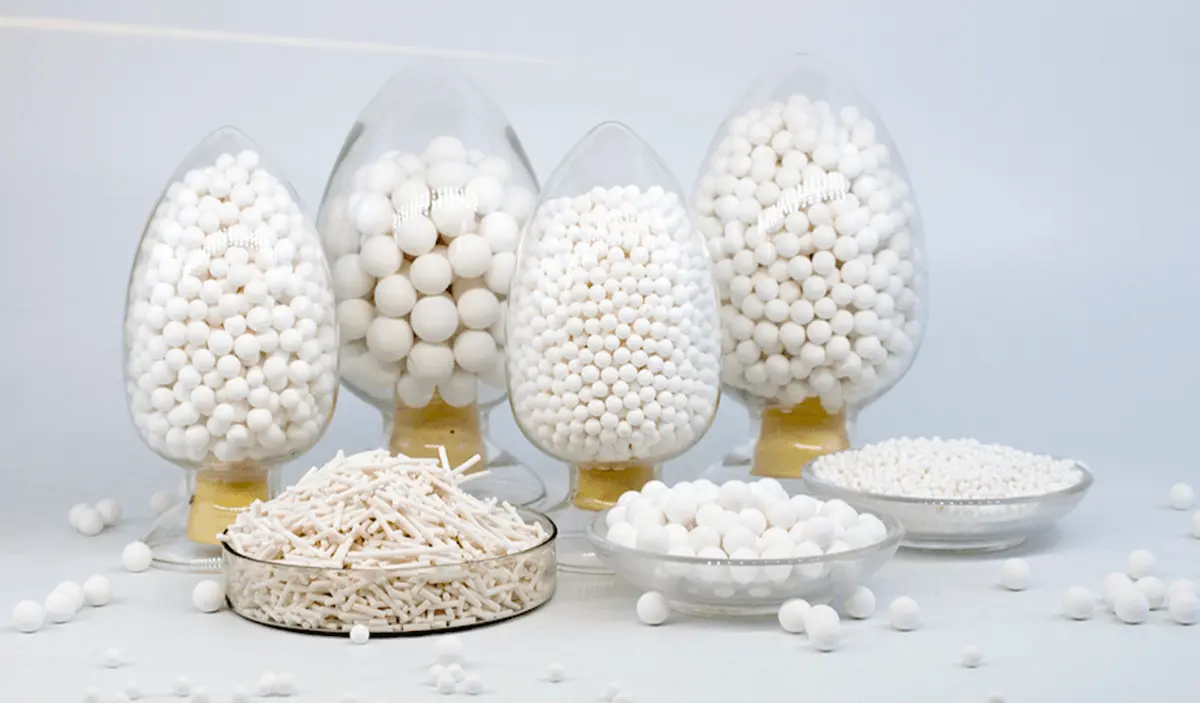
Molecular sieves packets are synthetically engineered zeolites with incredibly precise pore sizes, designed for very specific jobs.
- Why they last: These are highly aggressive desiccants. They pull moisture down to extremely low levels (1-10% RH) fast, making them ideal for delicate pharmaceuticals.
- Why they fail: Because they work so aggressively, you have a very short handling window. If a worker leaves a drum open for just an hour, the sieves could be completely ruined by factory humidity.
Calcium Chloride
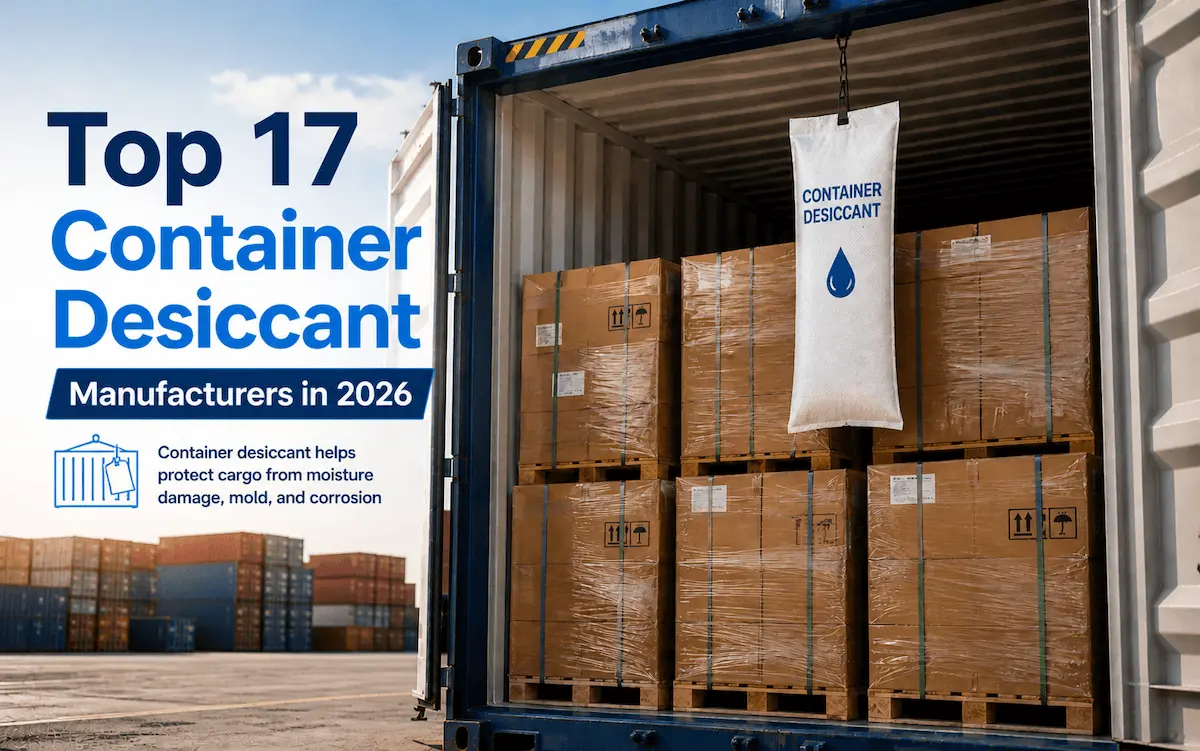
You’ll typically see calcium chloride used in hanging pole bags inside large shipping containers to fight “container rain.”
- Why it lasts: It absorbs a massive amount of moisture—sometimes up to 300% of its own weight.
- Why it fails: As it works, it turns into a liquid brine. While modern container desiccants trap this gel so it won’t leak onto your cargo, it’s strictly a single-use product.
How to Regenerate Your Desiccant Packs
Regeneration means heating the desiccant to dry it out, effectively resetting its capacity. This might be a good choice for silica gel and molecular sieves, though we don’t recommend it for clay.
According to materials guidelines from the National Institute of Standards and Technology (NIST), maintaining precise temperature control is crucial when drying hygroscopic materials to avoid destroying their physical structure.
Regenerating Silica Gel
- Check the material: Make sure your packet material (like Tyvek or cotton) can survive the oven. If it’s plastic-coated, do not heat it—it will melt immediately.
- Set the heat: Bake it at 250°F (120°C). Don’t go over 300°F, or you might permanently damage the gel’s internal pores.
- Wait: Leave it in the oven for 2 to 3 hours.
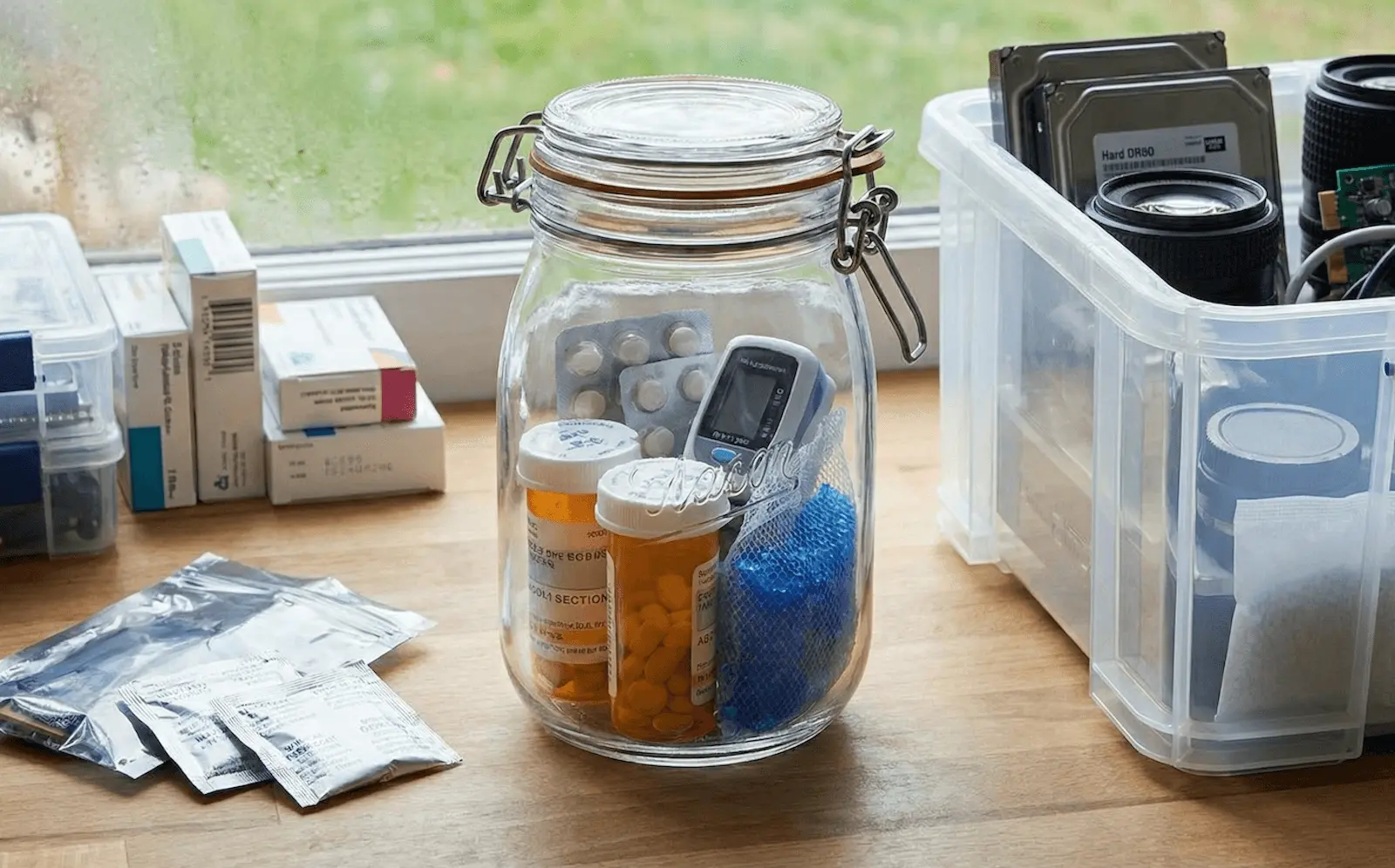
- Cool it safely: Let it cool inside a tightly sealed glass jar. If you leave it on the counter, it will instantly suck moisture right back out of the room’s air.
3 Hidden Factors That Kill Desiccant Effectiveness
If your packs are failing prematurely, I highly suggest auditing your packaging process for these three common mistakes.
1. Leaving Master Bags Open Too Long
In my experience walking factory floors, this is the number one failure point. If your operators leave the master bag open on the assembly line, the desiccant spends its life scrubbing the factory air instead of protecting your product.
- The fix: Limit exposure to less than 15 minutes. Use intermediate hoppers or reseal the master bags the second you pull what you need.
2. Using High-Permeability Packaging
A desiccant can only do its job if the barrier surrounding it is solid. Tossing a 50g desiccant into a standard cardboard box without a plastic liner is completely useless.
- The fix: You must enclose your desiccants and products in materials with a low Water Vapor Transmission Rate (WVTR).
3. Unpredictable Temperature Spikes
Adsorption naturally releases heat, and the process works much better in cooler environments. Extreme heat actually reverses this process, causing the pack to “sweat” out the moisture it just collected.
- The fix: If your transit route goes through high-heat zones, you might want to use extra desiccant to offset this. Alternatively, switch to something that holds water better under heat, like calcium chloride.
Storage Best Practices for Your Inventory
If you want to guarantee your stock actually lasts that full 1 to 1.5 years on the shelf, follow these strict rules:
- Always store cartons on pallets. This prevents moisture from seeping up through porous concrete warehouse floors.
- Practice strict First-In, First-Out (FIFO) inventory rotation. Remember, desiccants are constantly decaying assets.
- If you don’t use a whole master bag, you must heat-seal it immediately. Taping or folding the bag doesn’t work; moisture will ruin the rest of your packs within days.
- Trust the included indicator card. If the spot has changed from blue to pink, those packs are already compromised and shouldn’t be used for critical shipments.
Final Thoughts on Desiccant Lifespan
To wrap things up: desiccant packs are highly effective at preventing moisture damage, but they aren’t invincible.
Their active lifespan entirely depends on how you treat them before they ever reach your product box. If your operators are leaving master bags open on the factory floor, or if you’re tossing packs into highly permeable cardboard boxes, you’re throwing money away.
Remember the golden rule of moisture control: minimize open time and always trust your humidity indicator cards. If the dots have turned pink, your desiccants are saturated, and it’s time to swap them out.
Now I’d like to hear from you:
Which desiccant type are you currently using for your shipments? Or are you struggling with a specific “container rain” issue in your supply chain?
Let me know by reaching out to our moisture control team!